

Eating healthy doesn’t have to mean emptying your wallet or living off plain lettuce. In fact, some of the best foods for your body are also some of the cheapest at the grocery store. Yes—healthy and budget-friendly can exist in the same sentence! Our guide to cheap and nutritious foods will show you how to eat well, feel great, and keep your bank account happy, all without sacrificing flavor or fun.
Below is a list of affordable grocery items you can add to your shopping list to get the most nutritional value for your money.
Whole Grains
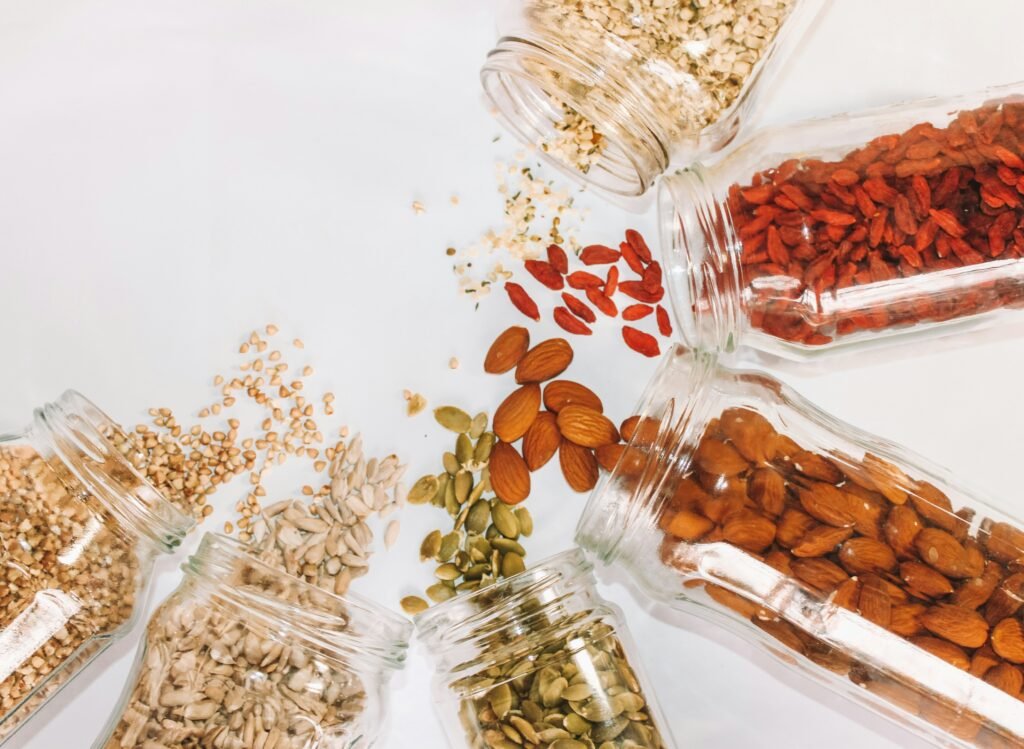
If you are on a tight budget, one of the best ways to get the most nutrition for every dollar spent is whole grains. These include brown rice, farro, quinoa, and wheat berries. They can be cheap pastry staples, especially if you buy in bulk.
Best of all, they are easy to cook, and prepare a meal around. Take, for example, brown rice, which is rich in protein, fiber, and nutrients like iron, magnesium, B-vitamins, potassium, and zinc.
Russet Potatoes

We add russet potatoes to our cheap and nutritious foods list as they are nutrient-dense and are often a reasonable price. They are a great source of B6, Vitamin C, and other nutrients. Additionally, potato skins are a rich source of important minerals like potassium.
A medium-sized russet potato, for instance, contains nearly twice the amount of potassium you will find in a banana. Best of all, potatoes are easy to prepare and can be added to your diet in several ways. You can bake them, boil them, or even make a delicious side dish.
Green Cabbage
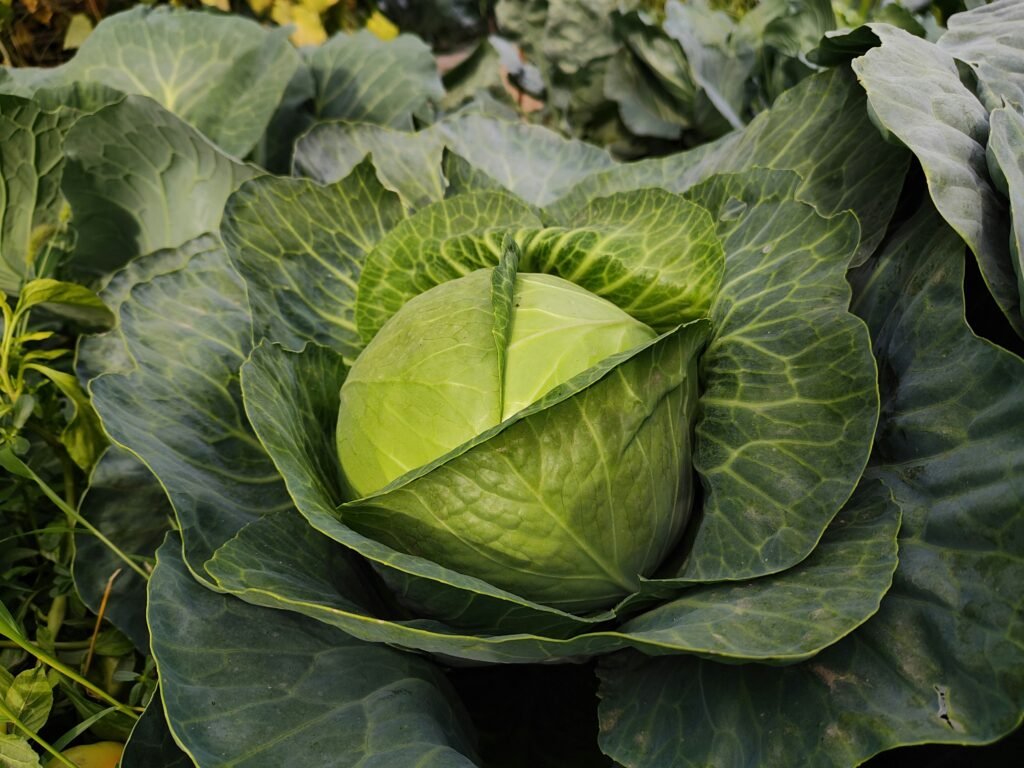
If you are on a budget, green cabbage is the perfect budget-friendly food to add to your cart. Green cabbage is rich in vitamin C, as well as some B vitamins, and some trace minerals.
Cabbage, like all cruciferous vegetables, is also rich in glucosinolates, which are antioxidants that have been studied for the prevention of certain cancers. According to some studies, consuming cabbage could significantly reduce your risk of heart disease, as well as type 2 diabetes.
Cabbage is easy to work with in the kitchen, and can be enjoyed in coleslaw, salads, or fermented, and made into sauerkraut.
Canned Tomatoes
Canned tomatoes are the most common canned vegetable in North America. There are several reasons we have added them to our cheap and nutritious foods guide.
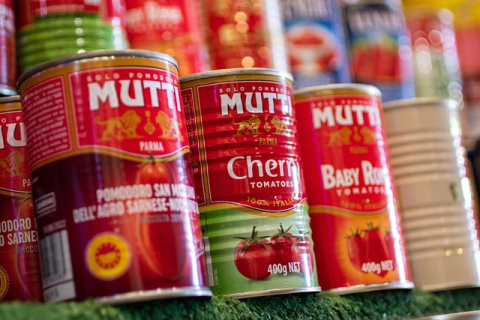
One of the main benefits of canned tomatoes is their vitamin C content. One cup of canned tomatoes provides 37% of your daily intake requirements for vitamin C. They are also a great source of vitamins A, E, and K, B vitamins, and numerous trace minerals.
Studies have also shown that consuming tomatoes can reduce LDL cholesterol and help keep blood pressure in check, which are two major risk factors for heart disease. In addition, canned tomatoes could potentially protect against certain cancers.
Most of the health benefits of canned tomatoes are due to lycopene, which is an antioxidant that could potentially reduce inflammation, thereby preventing cell damage, and lowering the risk of disease.
Canned tomatoes are a staple in most kitchens and can be added to stews, soups and sauces.
Dried Lentils
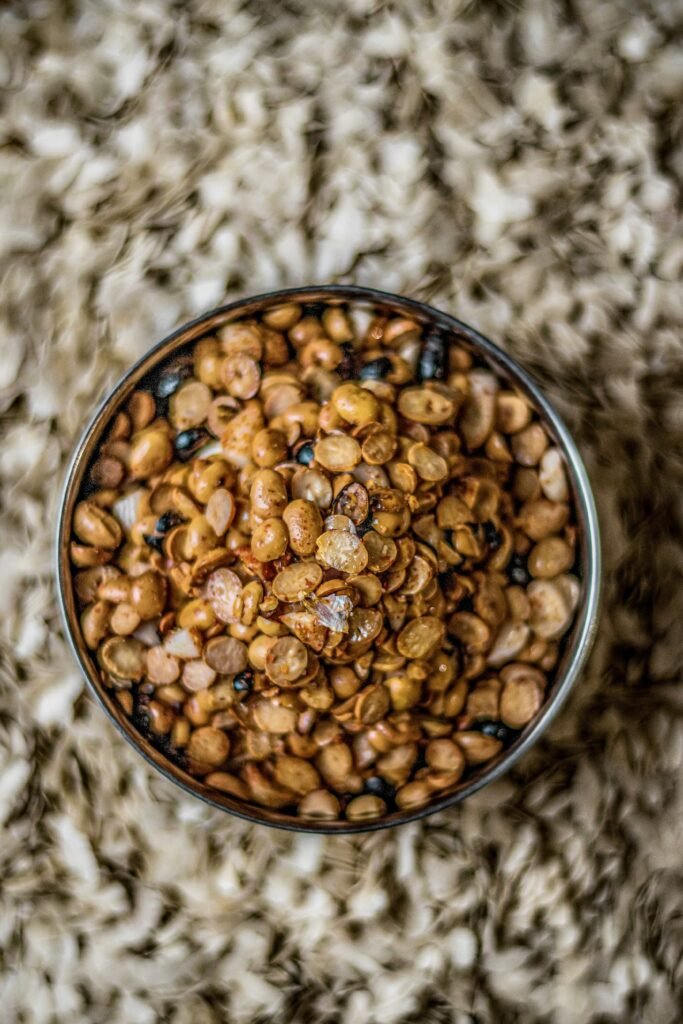
Adding dried lentils to your shopping cart can be another great choice for healthy eating on a diet. One cup of lentils contains a lot of nutrients, including 90% of your daily recommended intake for folate, 55% for copper, 37% for iron, and 43% for manganese.
Additionally, lentils are an excellent source of fiber and protein, which makes them a great option for weight control. On top of that, lentils are a great source of antioxidants, which prevent cell inflammation. They have also been linked to helping reduce the risk of certain chronic illnesses like cancer and diabetes.
There has also been some research that suggests lentils can help to regulate blood pressure and cholesterol, which is crucial for the prevention of heart disease. Lentils can be used in much the same way as beans, which means you can add them to meals in several ways. These include soups and salads.
Bananas
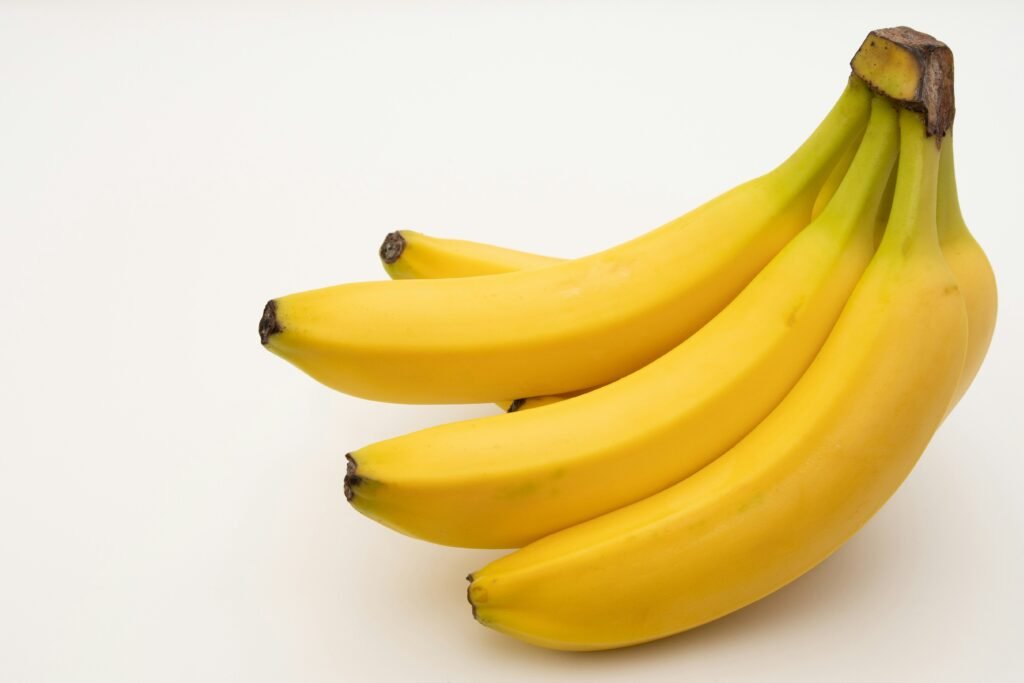
Bananas are known to be one of the cheapest and most available fruits around. They are also known to have numerous health benefits. We couldn’t not add them to our cheap and nutritious foods list!
Bananas are packed full of some beneficial minerals and vitamins such as vitamin B6, vitamin C, magnesium, and potassium. Besides that, bananas are a great source of fiber, which can help with weight loss, digestive health, and preventing diabetes.
Bananas can be enjoyed as a quick snack or added to a salad. Additionally, they can be coupled with yogurt or peanut butter.
Oranges

Oranges are another cheap and healthy fruit that you should add to your shopping cart. They are a rich source of vitamin C, with one orange providing you with 92% of your daily recommended vitamin C intake. They can be easily added to your diet as a snack or mixed with salads, smoothies, or yogurt.
Canned Fish

Canned fish are an affordable source of nutrition compared to fresh seafood. Not only are canned fish a great source of protein, but they also provide omega-3 fatty acids that are needed for brain health and have been associated with reducing inflammation.
Canned fish also provide a great source of the trace mineral selenium, which could potentially boost your immune system and prevent cancer. If you opt for canned fish with bones, you will also get a source of calcium, phosphorus, and vitamin D.
Canned fish can be added to meals in several ways, including salads, sandwiches, or used in dishes like stir-fries and seafood cakes.
Summary
Healthy eating doesn’t need a trust fund or a boring menu. When you focus on cheap and nutritious foods, you can build satisfying meals that fuel your body, stretch your budget, and still taste great. With a little planning and the right choices, healthy eating becomes less about sacrifice and more about smart, feel-good decisions you can stick with long term.