Ever eat a meal and feel hungry again 30 minutes later? Protein gets a lot of hype—and honestly, it deserves it. The most protein dense foods deliver maximum protein, keeping you feeling fuller, energized, and ready to tackle whatever’s next. Whether you’re chasing energy, building strength, or just trying not to feel hungry an hour after eating, protein is your nutritional MVP.
But not all protein foods are created equal. Some pack way more punch per bite than others. That’s where the high-protein foods come in. These foods deliver a big dose of protein without those nasty extra calories or sugar. Let’s dig in and meet the stars of the high-protein lineup.
What Are Protein Dense Foods?
A protein dense food is a food that provides a high amount of protein compared to its calories or serving size. In simple terms, it gives you more protein per bite without a lot of extra sugar, refined carbs, or unnecessary fats.
Eating protein dense foods can help:
- Support muscle growth and repair
- Keep energy levels steady
- Reduce frequent snacking by increasing fullness
- Build balanced, satisfying meals
The most protein dense foods give you maximum protein with minimal extras, making them a smart choice for everyday meals. Choosing these foods regularly helps you eat more efficiently, feel fuller longer, and support overall nutrition without complicated planning.
Animal-Based Protein Powerhouses
Animal-based protein make our list of most protein dense foods as they are famous for being a complete protein. What is that exactly? Simply put, a complete protein provides all nine essential amino acids your body can’t make on its own. This means your body can use the protein more effectively for:
- Building and repairing muscles
- Supporting growth and development
- Maintaining healthy tissues and organs
1. Chicken Breast: The Classic Champion
Chicken breast is basically the gold standard of protein. It delivers a large amount of high-quality protein with relatively few calories and very little fat. This is what makes it one of the most efficient and versatile protein sources available.
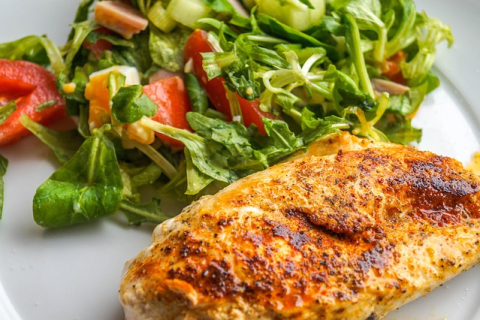
Per 100g Serving:
- Protein: 30-31g
- Calories: 165
- Fat: 3.6g
- Carbohydrates: 0g
How to Use: Grill or bake it for meals, or add it to salads, wraps or bowls. You can also substitute beef for chicken in your meals, such as a chicken taco instead of beef.
2. Turkey Breast: Chicken’s Awesome Relative
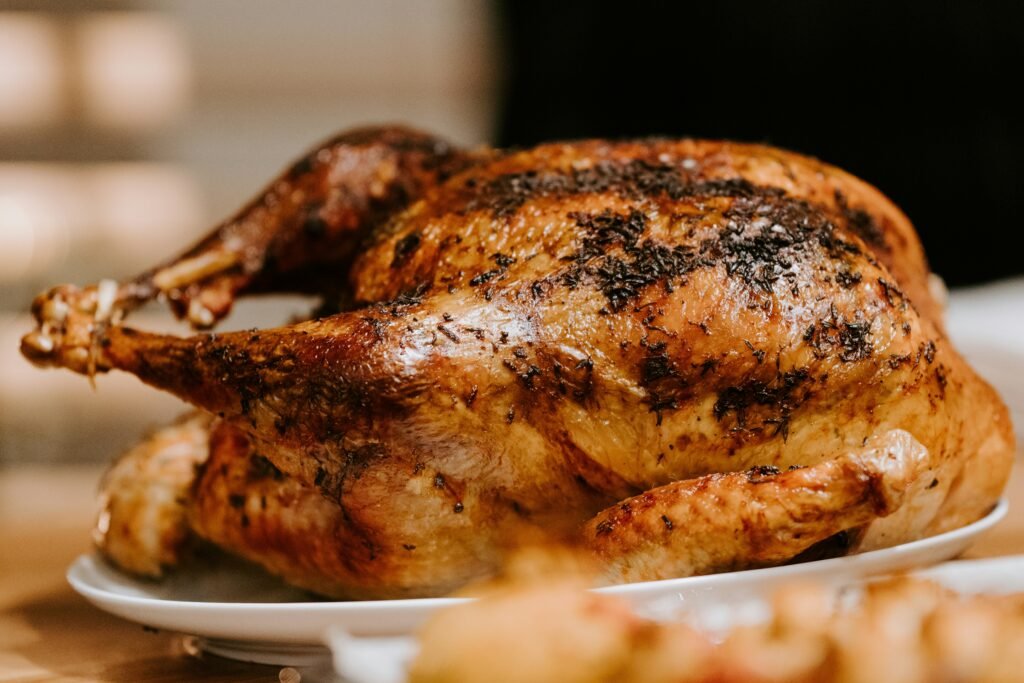
Turkey doesn’t get enough credit. Like chicken, turkey breast is considered a protein dense food because it provides a large amount of high-quality protein with very few extra calories or fat. It’s just as protein rich and brings serious lean-meat energy.
Per 100g Serving:
- Protein: 32g
- Calories: 160
- Fat: 2.6g
- Carbohydrates: 0g
How to Use: Perfect for wraps, bowls, or leftover-style meals.
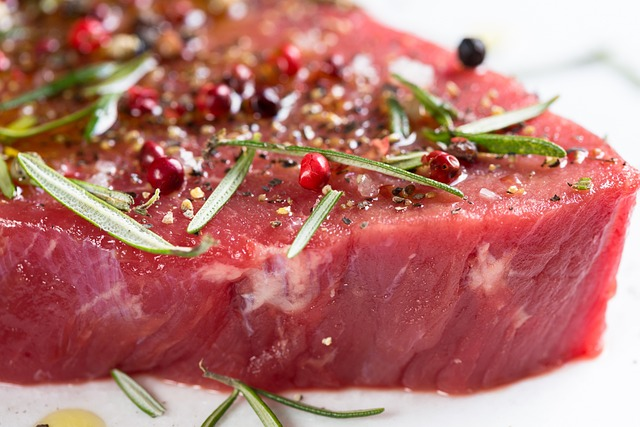
3. Lean Beef: Flavor Meets Protein
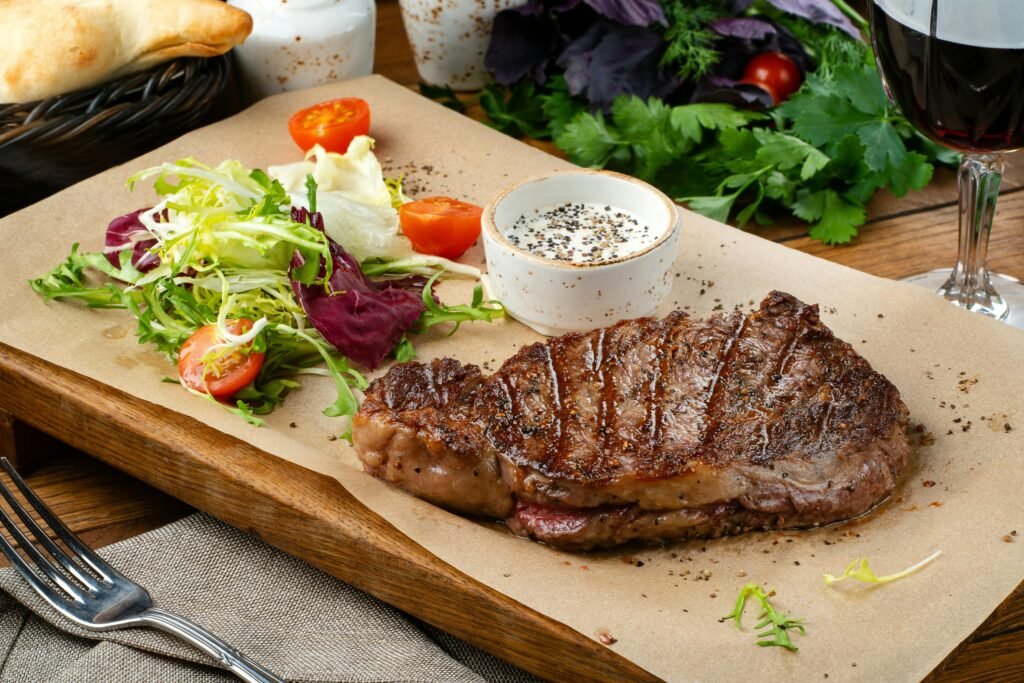
Lean beef is protein dense because it provides a large amount of complete, easily absorbed protein with relatively low fat. It also provides essential nutrients that support strength, energy, and overall health when eaten as part of a balanced diet. Lean cuts of beef prove you don’t have to sacrifice taste for protein density.
Your body can efficiently use the protein from beef. It supports muscle repair and growth, tissue maintenance and overall body strength. It gets bonus points for iron and vitamin B12, which help keep your energy up.
Per 100g Serving (Varies by Type):
- Protein: ~27g
- Calories: ~170–220
- Fat: ~12g
- Carbohydrates: 0g
How to Use (Lean Ground Beef): It works great in chilis, soups, sauces, tacos, burritos, stir-fries, bowls, casseroles, meatloaves and meatballs.
How to Use (Other Lean Beef Cuts): Grilled steak on the barbeque, fajitas, beef/broccoli dish, stews, kabobs or pot roasts.
4. Tuna: The Protein Shortcut
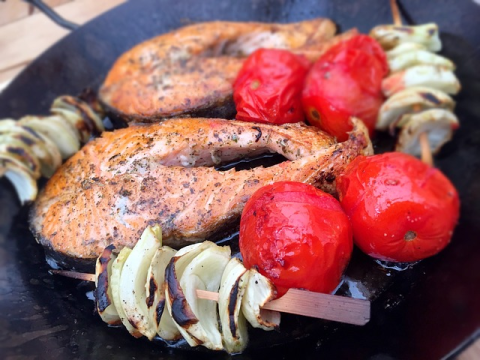
Fast, affordable, and ridiculously high in protein. Busy day? Tuna’s got you. Tuna is one of the most protein dense foods you can eat straight out of a can. It’s a lean, convenient, and versatile protein source that’s perfect for building muscle, staying full, and fueling your body efficiently.
Not only is it extremely low in fat and calories, but most of its calories come directly from protein, giving it one of the highest protein-to-calorie ratios among common foods.
Tuna also contains Omega-3 fatty acids (good for heart, eye, metabolic and brain health), Vitamin D (helps to build and maintain healthy bones), and B vitamins (help convert food into energy).
Per 100g Serving (Light, Canned):
- Protein: 25g
- Calories: ~125
- Fat: 1-2g
- Carbohydrates: 0g
How to Use: You can use tuna in sandwiches, salads, pasta, bowls, or quick snacks (such as on crackers, rice cakes or toast).
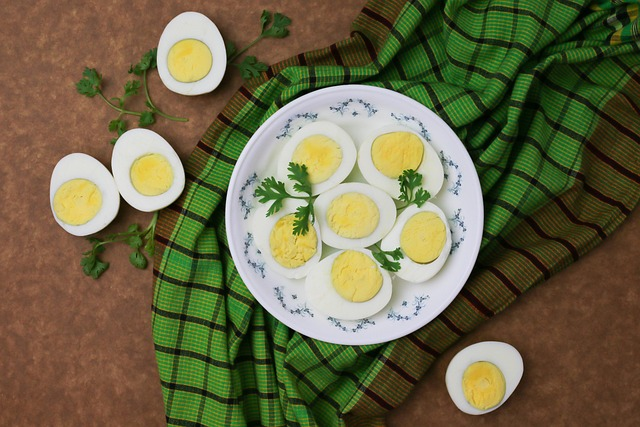
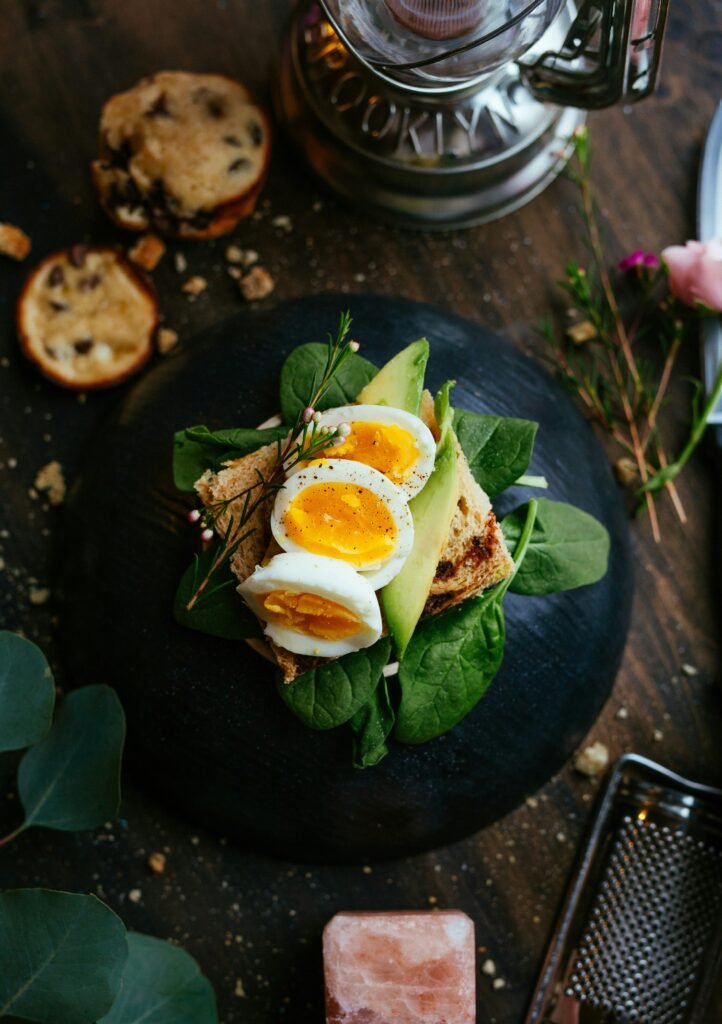
5. Eggs: Small but Mighty
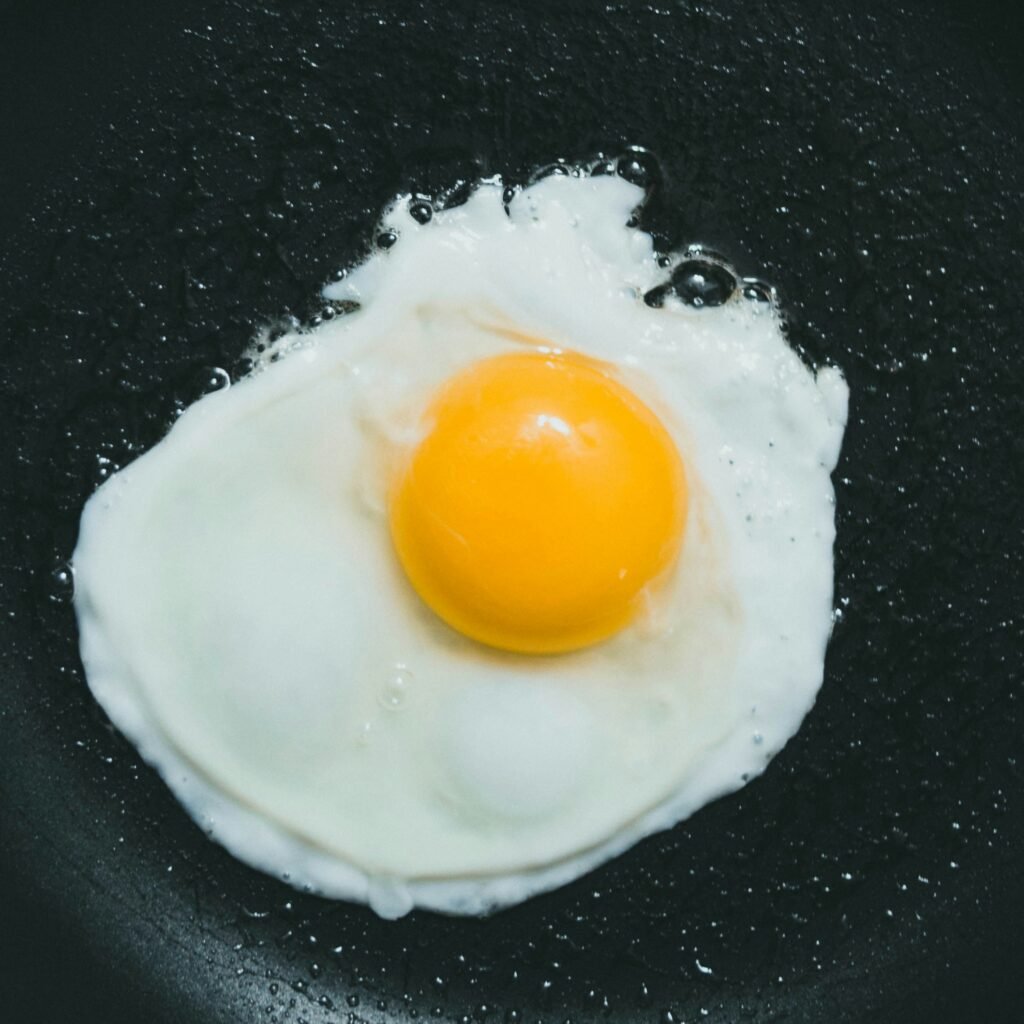
Eggs may look humble, but they’re nutritional all-stars. Eggs are considered protein dense because they provide a high amount of high-quality protein in a small, nutrient-rich package. They’re affordable, versatile, and one of the most efficient protein foods you can eat.
A large portion of an egg’s calories comes from protein. This strong protein-to-size ratio is a key reason eggs are protein dense. They are a complete protein. This means your body can fully use the protein for normal growth and development, muscle growth and repair, and tissue maintenance.
Per 1 Egg (Large):
- Protein: 6g
- Calories: 70
- Fat: 5g
- Carbohydrates: 1g
How to Use: They’re flexible, filling, and work any time of day. Use in a quiche, omelet, wraps, salads, egg muffins, hard-boiled as a snack, breakfast scramble, breakfast sandwich, skillet, or make them scrambled with cottage cheese for an extra boost of protein.
Dairy: Creamy, Dreamy, and Protein Packed
Dairy products quietly dominate the protein density game. We added them to our list of most protein dense foods due to their high amount of high-quality protein in a relatively small serving, along with nutrients your body uses efficiently.
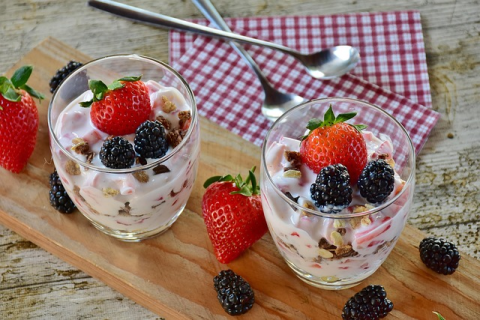
6. Greek Yogurt: The Thick Upgrade
Greek yogurt is regular yogurt that worked out at the gym. It has a high amount of high-quality protein in a relatively low-calorie, easy-to-eat form.
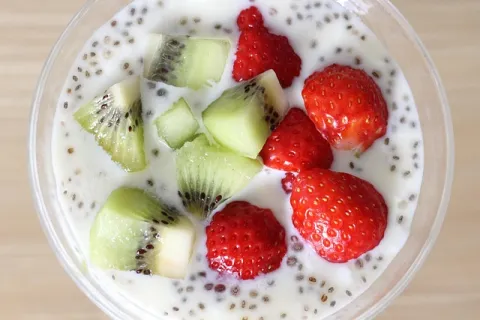
Greek yogurt is strained more than regular yogurt, which removes much of the liquid whey. This concentrates the protein. Less liquid means more protein per spoonful. That’s the main reason Greek yogurt is more protein dense than regular yogurt.
Per 100g Serving (Plain, Nonfat):
- Protein: ~10g
- Calories: 60
- Fat: <0.5g
- Carbohydrates: ~5g
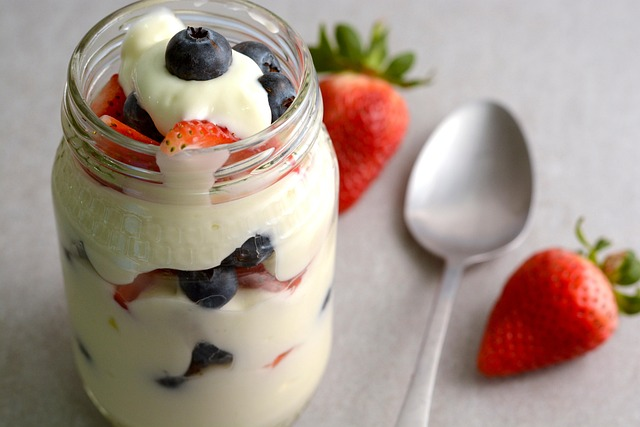
How to Use: It’s perfect for breakfast in a bowl or parfait, as a snack by itself or with added fruit, in dips, smoothies, oatmeal or in baked goods.
7. Cottage Cheese: The Comeback Kid

Cottage cheese has made a serious glow-up. Low in fat and calories, but high in protein, gives cottage cheese a star spot in our most protein dense foods list.
Cottage cheese is rich in casein, which is a slow-digesting protein. In other words, it will keep you feeling satiated for hours.
Along with protein, cottage cheese offers calcium for strong bones and teeth, vitamin B12 for energy and nerve health, and phosphorus, which supports bone and cell function.
Per 100g Serving (2%):
- Protein: ~11g
- Calories: ~85
- Fat: 2.3g
- Carbohydrates: 4.5g
How to Use: Mix it up with scrambled eggs, eat with fruit as a snack, add to lasagna, bowls, pancakes, pasta sauces, smoothies and dips.
Plant-Based Most Protein Dense Foods
No meat? No problem. Plant foods can still bring plenty of protein to the party.
8. Lentils: Tiny but Tough
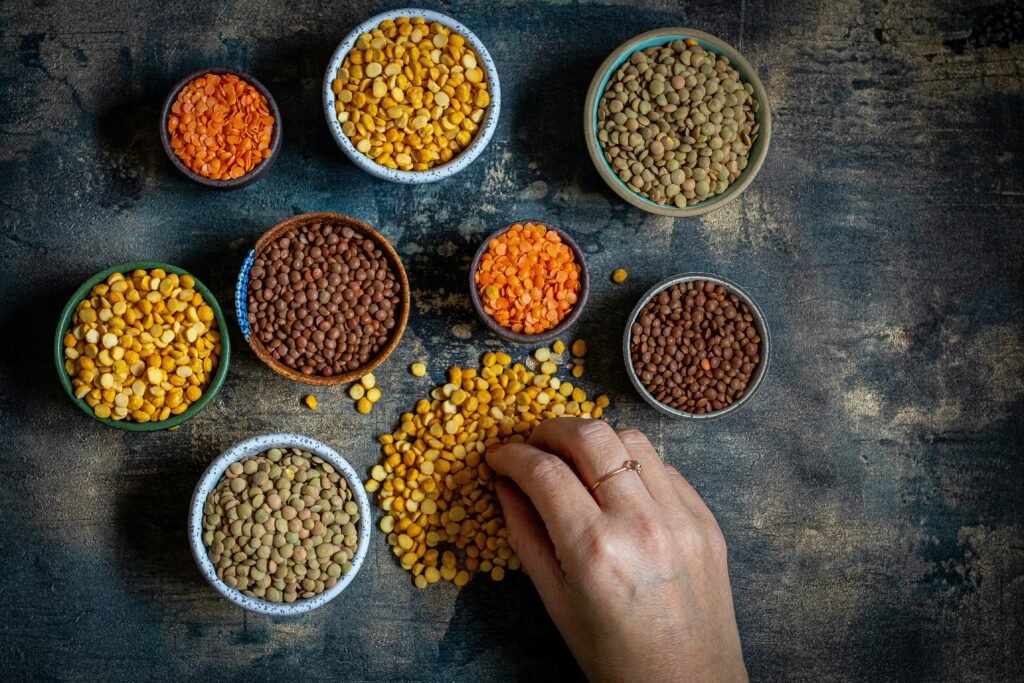
Lentils are budget-friendly, filling, and surprisingly protein dense. They provide a significant amount of plant-based protein in a relatively low-calorie, nutrient-rich food – especially when compared to many other plant foods.
Lentils provide protein, but are very low in fat. They have a moderate amount of calories (a large portion of their calories comes from protein).
They are also high in fiber, which increases fullness. While fiber isn’t protein, it helps lentils feel more filling. It creates slower digestion, longer-lasting energy and helps control appetite.
Per 100g Serving (Cooked):
- Protein: ~9g
- Calories: ~115
- Fat: <0.5g
- Carbohydrates: 20g
How to Use: Lentils work great in soups, stews, salads, bowls, side dish or even as a meat substitute (burger patties, for example).
9. Chickpeas: The Crowd Favorite
Chickpeas (also called garbanzo beans) are everywhere—and for good reason. These little guys contain more protein than most vegetables and grains. This is the reason we have added them to our most protein dense foods list.
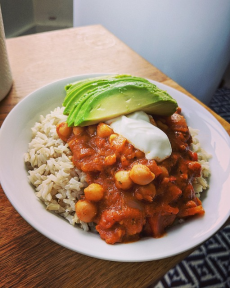
While providing a meaningful amount of protein per serving, they stay low in fat and contain no added sugars. This, of course, makes them a healthy plant protein choice. Even more, chickpeas are high in fiber and key nutrients that make meals filling and balanced.
Per 100g Serving (Cooked):
- Protein: ~9g
- Calories: ~160
- Fat: ~2.6g
- Carbohydrates: 27g
How to Use: Roast them or mash them. Use in salads, bowls, curries, soups, stir-fries, homemade hummus or roast them for a crunchy snack or salad topper.
10. Tofu: The Shape-Shifter
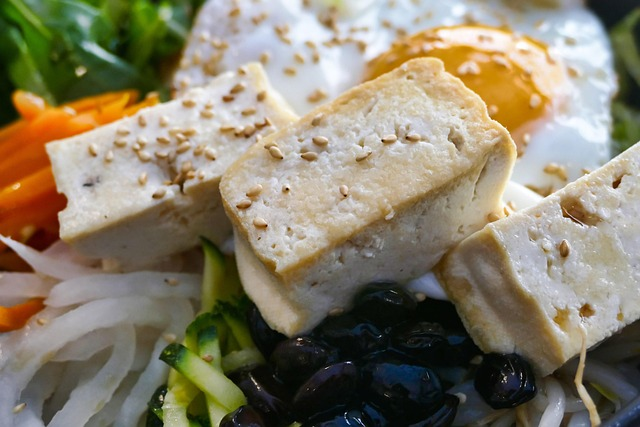
Tofu takes on whatever flavor you give it and delivers solid protein along the way. Since it’s made from soybeans, tofu naturally contains more protein than most plant foods. It also contains a high amount of plant-based protein and is fairly low in calories.
Tofu contains some healthy fats, but not enough to overwhelm the protein content. This adds satiety and flavor and helps with absorption of fat-soluble nutrients. The balance keeps tofu protein dense without being overly calorie heavy.
Per 100g Serving (Firm):
- Protein: ~17g
- Calories: ~145
- Fat: 9g
- Carbohydrates: 3g
How to Use: Tofu absorbs flavors easily, making it simple to include in many meals without needing heavy sauces. Use in bowls, wraps, stir-fries or baked dishes.
11. Tempeh: The Protein Upgrade
Tempeh is tofu’s fermented, protein-heavier relative. It delivers a high amount of plant-based protein in a compact, nutrient-rich food, with fewer extra carbohydrates than many other plant proteins.
Tempeh is made by fermenting whole soybeans, which are naturally very high in protein. This soybean base is a big reason tempeh is protein dense.
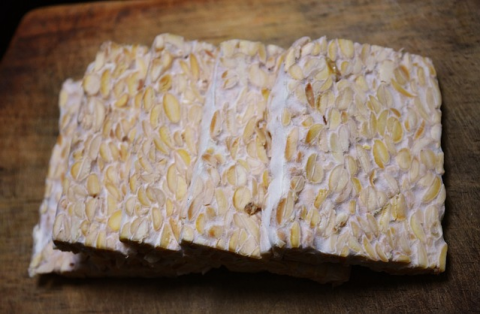
Not only rich in protein, but tempeh is also rich in fiber (which supports fullness and digestion), iron, magnesium and phosphorus.
Per 100g Serving:
- Protein: ~19g
- Calories: ~193
- Fat: 11g
- Carbohydrates: ~9g
How to Use: Use it in chili, sauces, tacos, burritos, salads, stir-fries, bowls, wraps, sandwiches or stews.
How to Eat More Protein Without Overthinking It
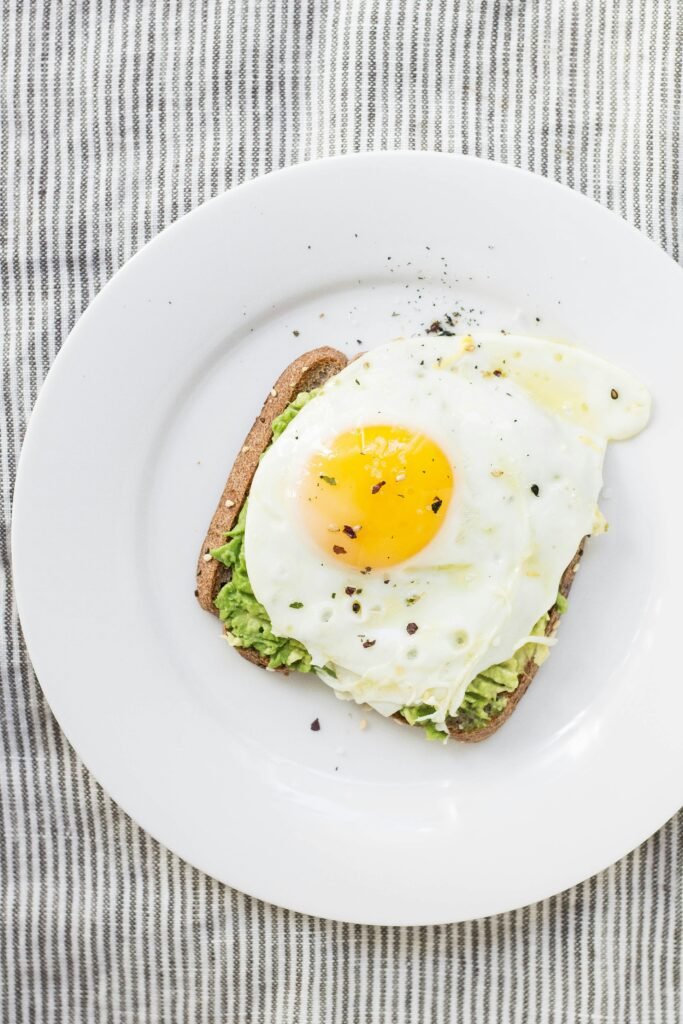
Here’s the simple strategy:
- Add a protein source to every meal
- Mix animal and plant proteins for variety
- Build meals around protein first, then add sides
- Keep it fun—protein doesn’t have to be boring
The most protein dense foods work best when they fit naturally into meals you actually enjoy.
Summary
Protein isn’t just for athletes or gym lovers—it’s for anyone who wants satisfying, energizing meals. By choosing the most protein dense foods, you get more nutritional bang for your buck and meals that actually keep you full. Eat well, eat smart, and enjoy every bite.