Let’s be real—“eat your vegetables” has never been the most exciting advice. But what if vegetables weren’t just something you should eat, but something you actually wanted to eat? When you know which veggies deliver the biggest health benefits, it gets a lot easier to fill your plate.
The truth is, some veggies are nutritional superheroes, a.k.a. superfoods. They’re low in calories, high in fiber, loaded with vitamins, and powerful enough to support everything from weight loss to heart health. These are the most healthy vegetables, and once you get to know them, you’ll wonder how you ever lived without them.
Why Vegetables Deserve the Spotlight
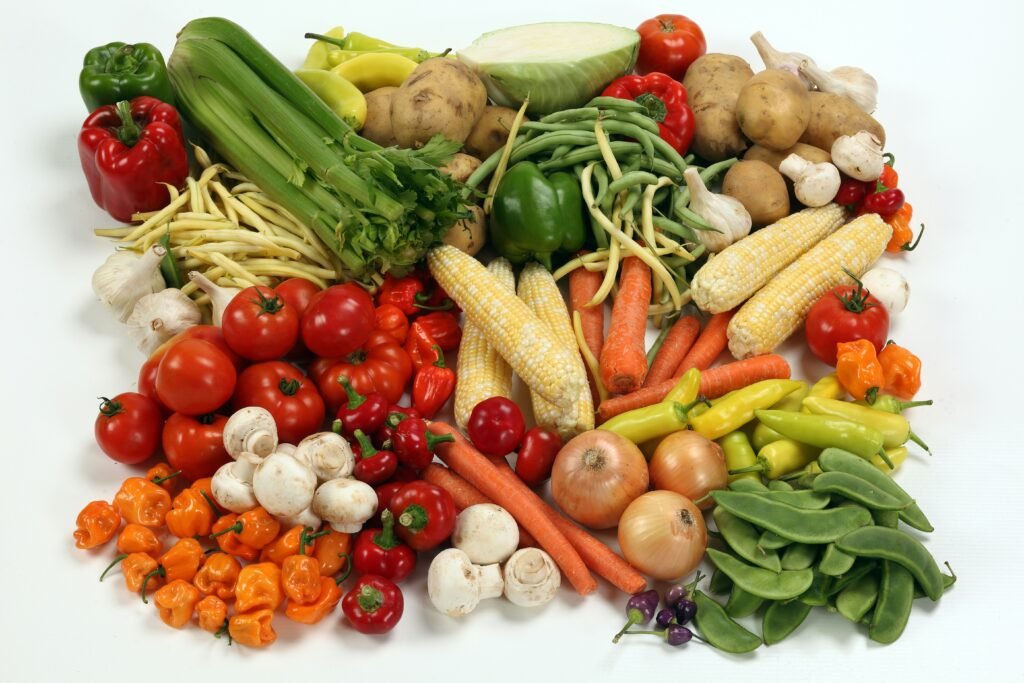
Vegetables are one of the few food groups that give you more while asking for less. They’re naturally low in calories but packed with nutrients your body relies on—fiber, antioxidants, vitamins, and minerals.
Eating plenty of vegetables has been linked to:
- Better digestion
- Improved energy levels
- Healthier skin
- Lower risk of chronic disease
- Easier weight management
And when you focus on the most healthy vegetables, you’re getting the biggest nutritional payoff per bite.
What Makes a Vegetable “Most Healthy”?
The most healthy vegetables tend to share a few things in common:
- High nutrient density
- Plenty of fiber
- Powerful antioxidants
- Minimal processing
- Big benefits for overall health
Bonus points if they’re easy to cook, versatile, and don’t taste like sadness.
Now let’s meet the all-stars.
The Most Healthy Vegetables You Should Eat Regularly
1. Leafy Greens (Spinach, Kale, Swiss Chard)
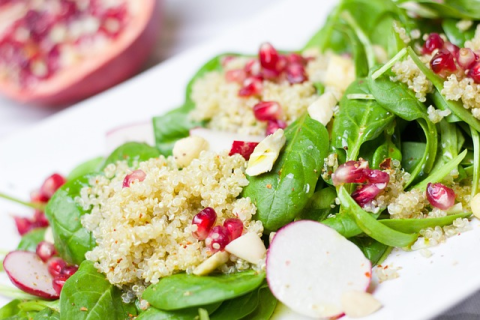
If vegetables had a hall of fame, leafy greens would be first-ballot inductees. They’re loaded with vitamins A, C, K, iron, calcium, and antioxidants—all for very few calories.
Leafy greens support bone health, heart health, and digestion, and they’re incredibly versatile. Toss them into salads, blend them into smoothies, sauté them with garlic, or sneak them into soups and sauces.
If you’re trying to eat healthier, leafy greens are one of the most healthy vegetables you can add to your routine.
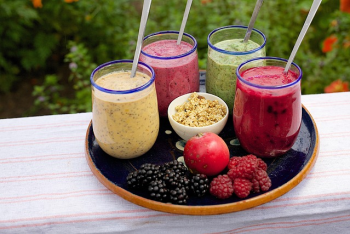
Check out this quick and easy green smoothie from Simple Green Smoothies.
2. Broccoli
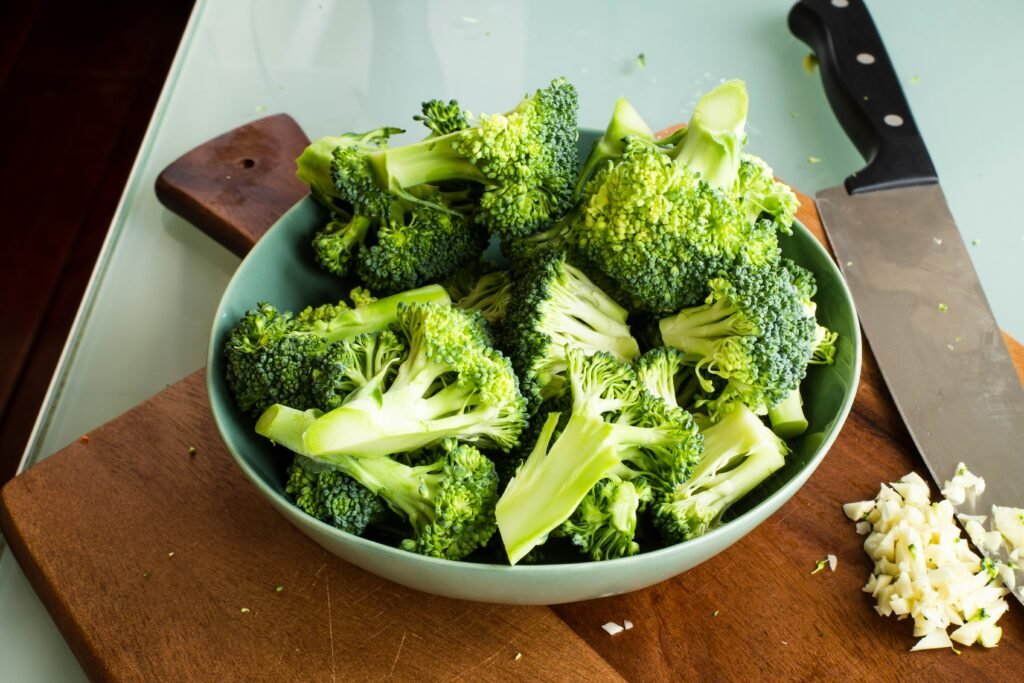
Broccoli is famous for a reason. It’s rich in fiber, vitamin C, vitamin K, and plant compounds that support detoxification and immune health.
It’s also surprisingly filling, which makes it great for weight loss. Roast it, steam it, stir-fry it, or add in a little olive oil and seasoning—it’s hard to go wrong.
3. Bell Peppers
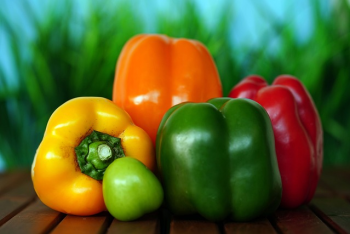
Bell peppers are basically nature’s candy—with benefits. Red, yellow, and orange peppers are especially high in vitamin C and antioxidants that support immune health and glowing skin.
They’re crunchy, colorful, and easy to eat raw or cooked. Add them to salads, sauces, wraps, fajitas, or omelets.
Among the most healthy vegetables, bell peppers definitely win the “most fun to eat” award.
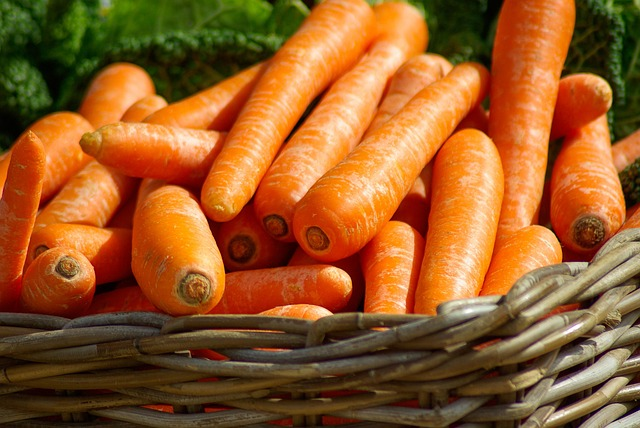
4. Carrots
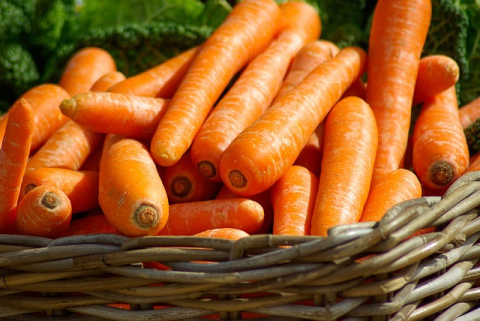
Carrots are best known for their beta-carotene, which your body converts into vitamin A. This supports eye health, skin health, and immune function.
They’re naturally sweet, easy to snack on, and incredibly versatile. Roast them, shred them into salads, or enjoy them raw dipped in hummus.
5. Brussels Sprouts
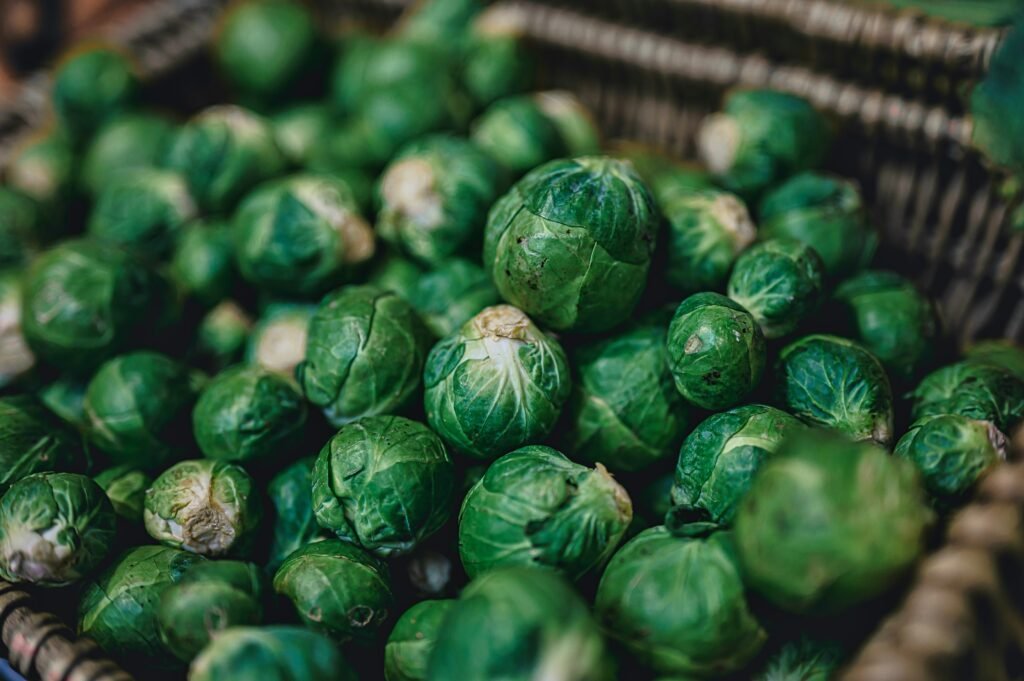
Once hated, now celebrated—Brussels sprouts have had a major glow-up. These tiny cabbages are high in fiber, vitamin C, and antioxidants that support heart health and digestion.
Roast them until crispy, add a sprinkle of seasoning, and suddenly they become one of the most healthy vegetables you’ll actually want to add to your meal.
6. Sweet Potatoes
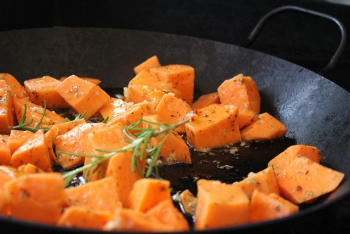
Yes, they’re starchy—but sweet potatoes still earn their place on this list. They’re packed with fiber, potassium, and beta-carotene, making them a nutrient-dense carb choice.
They’re filling, satisfying, and perfect for balanced meals. Baked, mashed, or roasted, sweet potatoes prove that healthy eating doesn’t have to be boring.
We love this roasted sweet potatoes recipe by Downshiftology!
7. Tomatoes
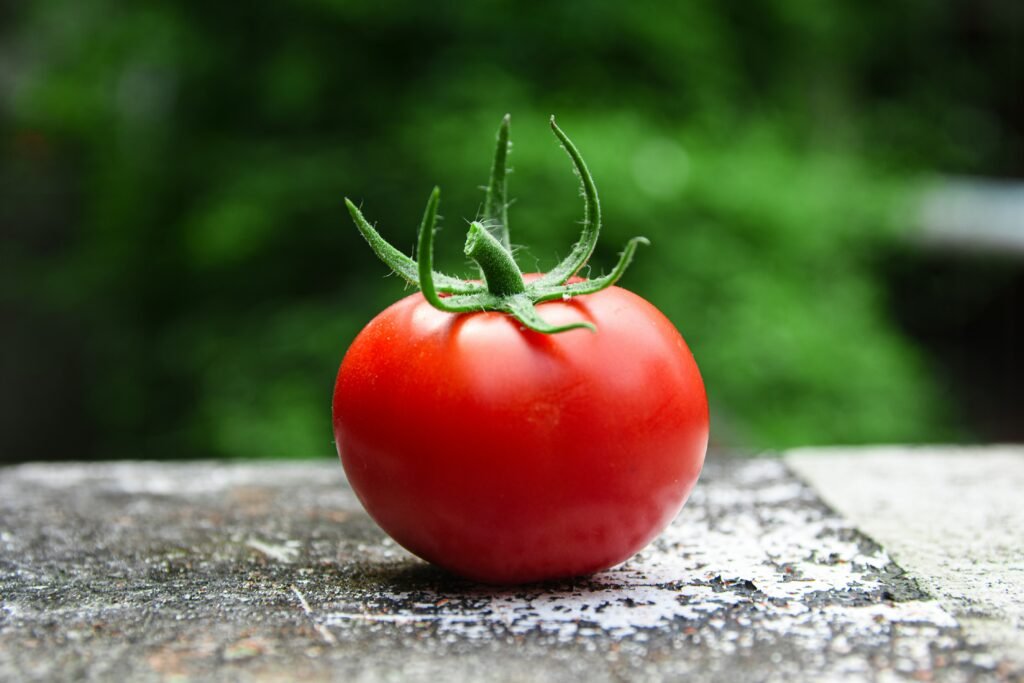
Tomatoes are rich in lycopene, an antioxidant linked to heart health and reduced inflammation. They’re also hydrating and low in calories.
Fresh, cooked, or blended into sauces or homemade salsa, tomatoes are an easy way to add more of the most healthy vegetables to your diet without trying too hard.
8. Garlic
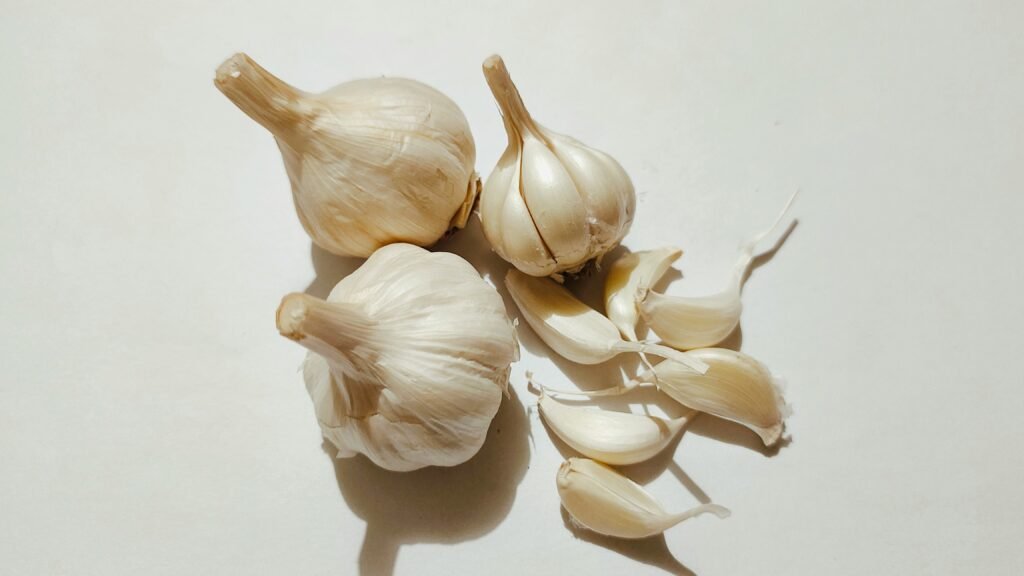
Garlic may be small, but it’s mighty…and not just in the smell of your breath after consuming. It contains compounds that support heart health, immune function, and overall wellness.
While you probably won’t eat it by the clove (unless you’re brave), adding garlic to meals boosts flavor and health benefits at the same time.
How to Make Vegetables Taste Amazing (Without Trying Too Hard)
If vegetables haven’t been your thing, preparation matters—a lot.
Here are some easy tips:
- Roast veggies with olive oil and seasoning for instant flavor
- Add herbs, spices, lemon juice, or garlic
- Mix vegetables into meals you already love
- Aim for color—your plate should look vibrant
Vegetables don’t need fancy recipes. Sometimes they just need a little love and heat.
Fresh vs. Frozen vs. Canned Vegetables
Fresh Vegetables
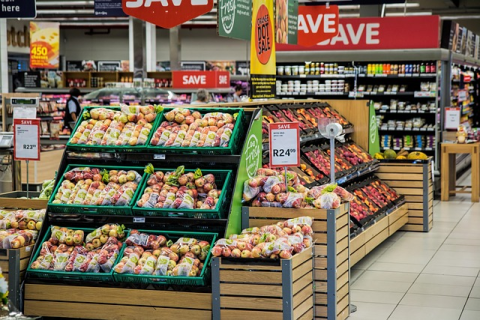
Fresh veggies are often highest in natural nutrients when eaten soon after harvesting. Nutrients start to decline soon after picking. Some can also be expensive and spoil quickly. However, fresh is a great option as there are no added ingredients – just pure veggie goodness.
Frozen Vegetables
Frozen vegetables are just as nutritious as fresh in many cases. They’re picked and frozen at peak ripeness, which helps preserve their nutrients.
The key is to avoid frozen vegetables with added sauces, salt, or sugar. Plain frozen veggies are an easy way to keep the most healthy vegetables on hand year-round.
Canned Vegetables
Some great things about canned veggies are that they have long shelf life and are easy to store. Their nutrients are locked in at peak harvest and remain stable.
The downside to canned vegetables are that they often contain added sodium or sugar. Choose no-salt-added or low-sodium options when purchasing.
Canned veggies work very well for soups, stews, and quick meals.
Tip for Making Canned Vegetables Healthier: Drain and rinse canned veggies under water to lower sodium.
Summary
Eating healthier doesn’t require perfection—it requires consistency. By focusing on the most healthy vegetables, you can dramatically improve your nutrition without overhauling your entire diet.
Start small. Add more color. Try new vegetables. Cook them in ways you enjoy. When vegetables stop feeling like a chore, healthy eating becomes something you can actually stick to—and even enjoy.