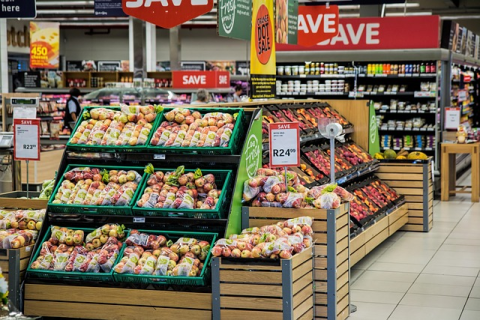
Food costs are higher than ever before, and this trend is expected to continue in 2026. According to the latest USDA data, food prices rose faster than the overall inflation rate. As a result, most people might be more concerned about their food than whether they are eating healthy.
However, even when the budget is squeezed, it is possible to strike a balance between watching your bills and watching your health. Here are some great tips for eating on a budget that you can use to make healthy food choices without breaking the bank. Not only will these tips save you money, but they can also help to lower your long-term medical bills.
Start With A Meal Plan
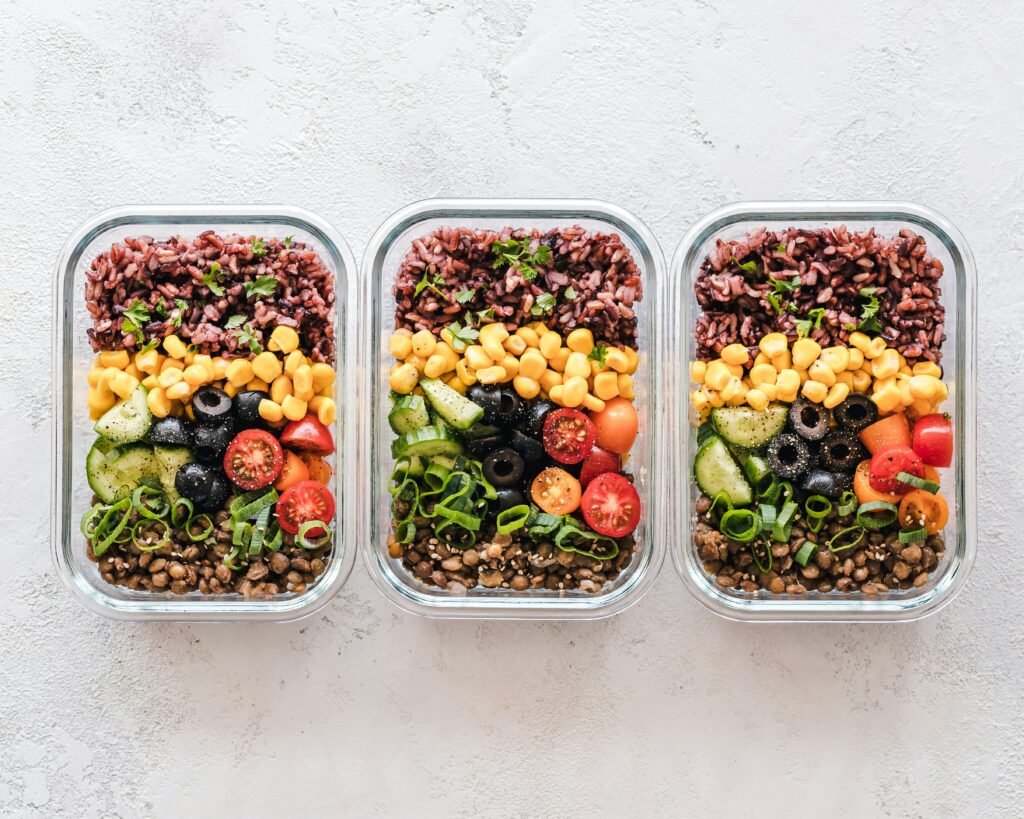
The first step to eating on a budget healthily is to have a meal plan. To develop the meal plan, key considerations will include your family’s size and the number of days you eat at home. The USDA has developed a tool that can help with this process called MyPlate.
Consider Alternative Sources Of Protein
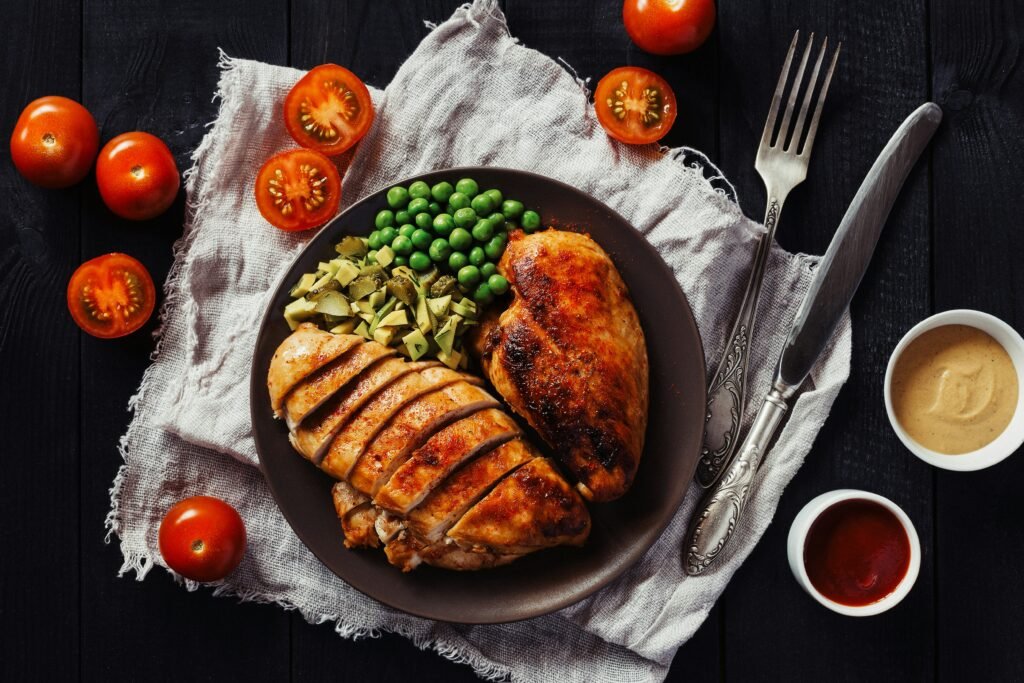
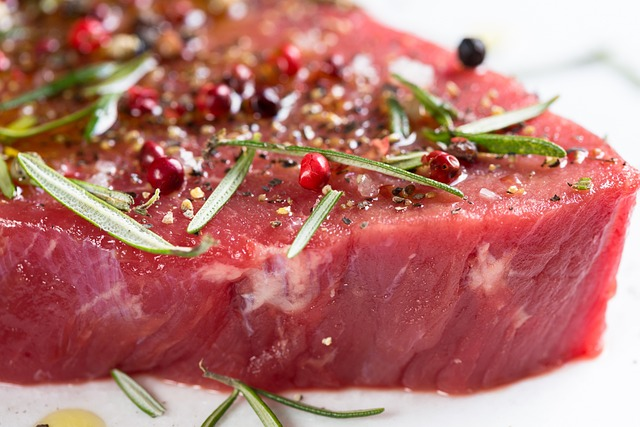
Beef and veal prices hit historic highs in 2025 in the US. According to the USDA, the price of beef increased faster than its 20-year historical average. If you are trying to ensure you get a balanced diet while on a budget, one of the best options is to cut back on meat consumption and consider plant-based proteins.
Overall, plant-based proteins are more affordable than fish and meat. If you still crave the taste of meat, you can add a smaller portion to the meal as a condiment or check out cheaper meat options. By focusing on plant-based proteins like tofu or beans, you can save on food costs, boost the volume of meals, and boost the family’s nutrition.
Plan Meals With Overlapping Ingredients

When planning your meals, consider herbs and spices that can turn the same ingredients into different meals that have different flavors. Choose versatile bases like peppers, chicken, beans, rice, or spinach.
With the bases, build up different dishes like salads, stir-fries, bowls, and soups, using common ingredients like roasted veggies, cooked grains, and seasoned proteins across the meals to reduce waste and simplify your shopping process. If you are eating on a budget that is extra tight, limit meals that require multiple ingredients to once or twice a week.
Always Shop With A List
Once you have prepared a meal plan, take time to plan out a list of things you will buy at the grocery store. When creating your list, munch on a piece of fruit or some nuts. Preparing a list and going grocery shopping on an empty stomach is more likely to trigger impulse purchases.
When shopping, buy in bulk so that you can get more value for your money. Not only are you likely to get bigger discounts, but you will also reduce fuel costs that come with frequent runs to the grocery store. Buying in bulk is especially important if you have a large family.
If you have a small family, opt for cheaper cuts of meat like pork or chicken to stretch your money until your next paycheck. In essence, you should buy what suits your family’s size to reduce waste.
Buy In-Season Fruits And Vegetables
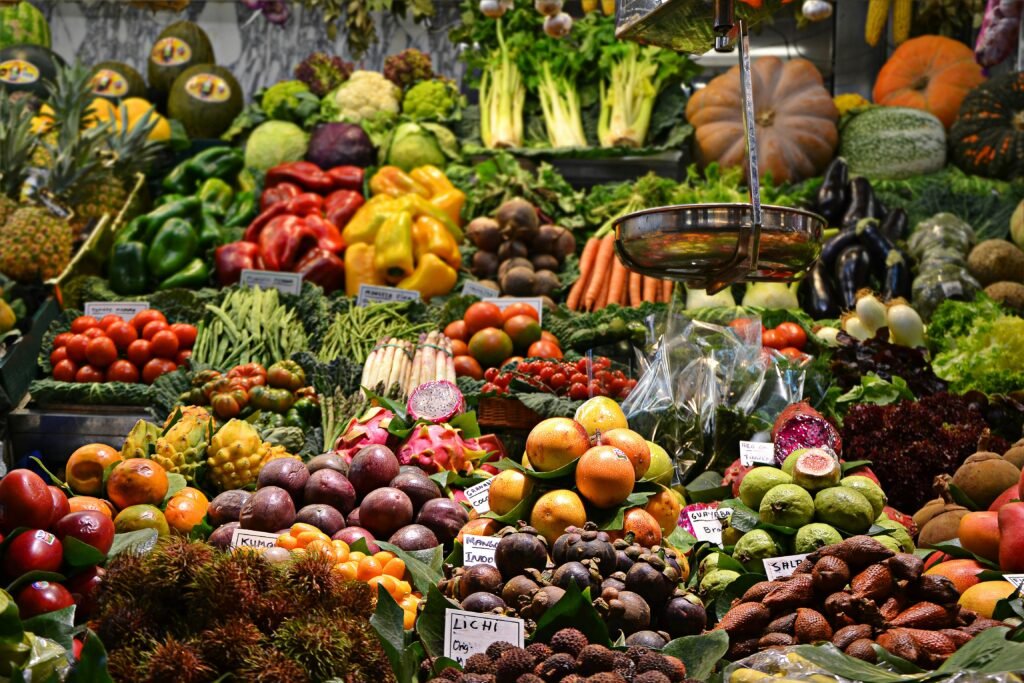
When produce is in season, the price is often lower. Always try to find out what is in season in your area, as the longer the goods must travel to get to you, the more they will cost.
Additionally, when purchasing produce, always opt to chop and wash it yourself. Pre-washed and chopped produce comes at an extra cost. However, if you are eating on a budget, you can save money by opting to wash and dice the produce yourself at home.
Buy Generic Brands
When buying products like olive oil, milk, fruits, veggies, and canned tomatoes, you will often find cheaper generic and store-brand versions. These store-brand versions often cost up to 30% less than branded items. Over the long term, this can lead to massive savings on your food budget.
Minimize Wastage

It is estimated that up to a fifth of food bought at home goes to waste. If you notice this happening to you, look for strategies to minimize the waste. For instance, leftover veggies can be turned into soups by adding a tin of butter beans, for instance.
To minimize waste, you can also opt for canned and frozen options as a healthy alternative to fresh produce. They often last longer and cost less. Most frozen produce comes with resealable packaging that lets you use what you need and store the rest for later.
When shopping for canned goods, make sure you choose those that come in water, not syrup. To avoid unhealthy options, read the labels and check for added sugar and salt. You will want to avoid those options.
Additionally, do not pick frozen foods that come with added cream or butter sources; always opt for those without sauce, or those labeled “lightly sauced” to minimize empty calories, salt, and sugar.
Hunt For Deals And Coupons
Check out coupons, flyers, mobile apps, and sites that offer deals on food that are on your shopping list. Always compare prices when shopping, and opt for the cheaper one. When products get close to the expiry date, most grocery stores will have a discount cart in one corner. There is usually no difference between these products and other options on the shelves.
Use Energy-Efficient Cooking
Yes, even the way you cook affects your wallet! Most of us don’t think about this part of things when we think about eating on a budget. Lentils and other plant-based proteins often come with a longer preparation time. Consequently, that could increase your energy bill. However, modern technology means that you have numerous energy-efficient options available to you.
One of the best options you have is a pressure cooker, which can save you time and money. A microwave is also a great energy-efficient option for cooking food.
If you use an oven, you can reduce energy bills through batch cooking. For instance, if you are baking fish for dinner, serve it with roasted veggies, and cook potato wedges in the oven alongside. You can also cook double portions so that you have leftovers for the following days. Another strategy you can use is to turn off the oven ten minutes before the cooking time, and the meal will finish cooking with the residual heat. However, that may not work for things that have strict heat requirements, like cakes and other pastries.
Keep An Inventory
Before going grocery shopping, always take an inventory of what you have at home. Do this at least once a month, bring forward any items you still have, and plan meals using those ingredients.
Summary
Even with food prices at historic highs, a bit of planning and a few changes mean that you can eat healthy, hearty meals when eating on a budget. Remember that the key to your game plan is finding a balance between getting proper nutrition and saving money. With the tips above, you can have a bit of money in your pocket, food for your family, and a whole lot of peace of mind.