What if the secret to feeling lighter, more energized, and finally breaking up with sugar crashes was as simple as cutting out carbs and sugar? (Don’t worry—we’re not taking your joy, just the brain fog.)
Having too much sugar in your diet can have a major impact on your health. It can increase the risk of various illnesses, affecting your long-term well-being. According to the CDC, a person should not get more than 10% of their calories from sugar. Unfortunately, many people regularly exceed this limit. Besides sugar, consuming too many carbs has also been associated with negative impacts on long-term health.
Benefits Of Cutting Carbs And Sugar
When you cut carbs and sugar from your diet, it triggers nutritional ketosis in your body. The liver will begin to produce ketones, which are a fuel that is triggered when your body is low on sugar. Ketones are produced by breaking down fat, which can help you lose weight.
Another benefit of cutting back on carbs and sugar is that it can help to lower your appetite. Numerous studies have shown that a low-carb diet that consists of mainly fat and protein leads to fewer calories consumed.
A low-carb diet can also be great for people with insulin resistance and diabetes, which is a condition that affects millions globally. Cutting back on carbs lowers insulin and blood sugar levels significantly. In some cases, people with diabetes who cut back on carbs cut their insulin dosage by as much as 50% almost immediately, as one study found.
Cutting back on carbs has also been linked to blood pressure management. High blood pressure is a major risk factor for many chronic illnesses like kidney failure, stroke, and heart disease. Cutting back on carbs and sugar can help lower the risk of these illnesses and improve your quality of life in the long term.
Now that the benefits of cutting carbs and sugar are known, here is a deep dive on how to do it.
Understand The Many Types of Sugar
Sugar often comes in many guises. There are numerous ways in which sugar can be labeled on a list of ingredients. It is important that you understand all these words that refer to sugar. They include glucose, sucrose, fructose, fruit juice, molasses, maltose, invert sugar, hydrolyzed starch, corn syrup, and honey.
If a food label says high in sugar, it means it contains 22.5g of sugar or higher per 100g serving. When the food label says low in sugar, it means there is 5g or less of sugar per 100g serving. On some packages, there is a color code that makes it easy to tell when foods are low in sugar, fat, and salt. Ideally, those with the green code have the lowest sugar levels.

Start With Breakfast

Most breakfast cereals are full of sugar. Try switching to a low-sugar cereal or one with no added sugar. For instance, you can opt for plain shredded wholegrain cereal, plain porridge, or even whole meal toast.
Porridge oats are cheap, and they are packed full of fiber, minerals, and vitamins. To keep carbs low, use semi-skimmed, 1% or skimmed milk. Additionally, you can use water. Instead of adding sugar to your porridge, use chopped apricots, or mashed banana.
To slowly wean yourself of sugar, try alternating between a sugary cereal and a plain cereal, or mix both in equal proportions. You can also reduce the amount of sugar you add to your cereal each morning, or eat smaller portions, and top it up with chopped fruit.
If you often eat toast for breakfast, try granary bread, or whole meal bread, which has a high fiber content compared to white bread. Additionally, consider using less of the spreads you normally would like honey, jam, or marmalade.
Watch Your Main Meals
Some of the foods that you may not think of as sweet contain huge amounts of sugar. For instance, some soups, and stir-in sauces often have more sugar than you think. This can especially be a challenge if you eat out.
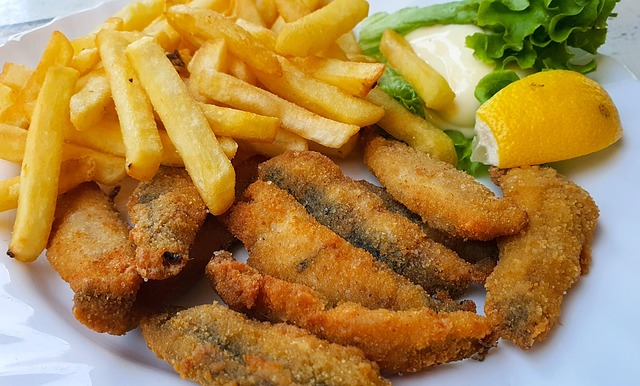
Even when you order a fish or meat, the restaurant will often include a starch as a side. This could be bread, pasta, rice, or potatoes. The starches can add up to 30 grams or more of carbs to a meal, depending on the portion size.
Watch your portion sizes, especially when eating out. Additionally, consider ordering a side salad to increase the fiber intake, so that you can feel fuller faster.

Switch Your Snacks
Snacking can be a harmless way to fuel yourself. However, it can also massively increase your sugar intake. Avoid snacks with added sugar. If you are not ready to give up on your favorite treats, you could start by reducing the portions.
For instance, if you usually snack on two bars, cut down to one, and share the other. Alternatively, you could save it for another day. Additionally, you could find something to do during your snack break to keep your mind off food. You can also consider alternatives like dried fruit and low-sugar cereal bars.
Watch Your Drinks

Nearly a quarter of the sugar we consume comes from sugary drinks like milkshakes, cordials, and sweetened juices. For instance, one can of regular cola contains 35g of sugar. Instead of sugary drinks, consider taking water, or use a sugar-free drink.
If you mainly consume sugar through coffee or tea, consider cutting back on the amount until you can go without sugar. You can also opt to use sweeteners instead of sugar.
Another drink to consider is fruit juices. Unlike whole fruits, the juice squeezed out of a fruit is high in sugar, which can lead to tooth damage in the long term.
You should also set a limit of 150ml for all sugary drinks per day, which is the same as a small glass. If you are having more than a small glass of orange juice daily, you are exceeding the recommended limit.
Consider High-Protein Foods

If you are trying to cut back on carbs, a great way to keep yourself full is to consume high-protein foods. Proteins can help you to feel full, which means you will eat less throughout your day. Proteins also force your body to use slightly more energy to digest them. By focusing on high-protein foods, you could even get the benefit of some weight loss.
Summary
At the end of the day, cutting out carbs and sugar isn’t about perfection or punishment—it’s about finding what makes your body feel its best. Whether your goal is more energy, fewer cravings, or better overall health, cutting out carbs and sugar can help you build habits that actually last. Start small, stay flexible, and remember: progress beats perfection every time (and yes, you can still enjoy food along the way).